
What Is Hydronic Heating? A Simple Guide for Australian Homes
Walk into a home fitted with hydronic heating in the depths of winter, and the first thing you’ll notice is a comfortable, radiant warmth with no roaring fan noise, dry air, or a cold patch by the window. But what is hydronic heating, and when is it the best heating option for your home? For homeowners, designers and architects planning a renovation or new build, a hydronic heating system is the most refined heating solution available, and possibly the least understood.
Quick Answer
- Hydronic heating systems warm water at a central source (a boiler or heat pump) and circulate it through pipes to radiators, underfloor coils or heated towel rails.
- Warmth radiates from the surface of the radiators, unlike ducted heating systems or reverse-cycle air conditioners that blow warm air.
- Hydronic heating is best suited to new builds and major renovations, where pipework can be planned into the floor or walls from the outset (though retrofits are possible).
- Running costs are typically lower than ducted gas heating over time, especially when paired with a heat pump, though upfront installation costs are higher.
- Hydronic heating is by far the most comfortable type of heat as it works through a combination of radiant and natural convection, warming spaces evenly and efficiently.
- Because hydronic systems don’t blow warm air they’re also a healthier solution that minimises the circulation of allergens inside the house.

What Is Hydronic Heating and How Does It Work?
Hydronic heating is a closed-loop system. Water is heated at a central source (a gas boiler, electric boiler or heat pump) and then pumped through a network of pipes to emitters positioned around the home. These emitters might be classic wall-mounted panels, sculptural freestanding radiators, or pipes embedded in the floor slab. As the water passes through, it releases warmth into the room by heating surfaces, then returns to the source to be reheated and sent around again.Hydronic systems are rated among the more efficient options for heating and cooling a home. Because there’s no fan forcing air around the room, hydronic heating doesn’t stir up dust or pollen the way a ducted or split system can.
How Do Hydronic Radiators Differ from Electric Panels?
Most Electric radiators available on the market are convection panels with low thermal mass, producing dry heat by warming air. They’re also quite expensive to run. However, a new generation of high-efficiency electric panels, such as the Technotherm Nova range, performs exactly like hydronic panels. Both hydronic radiators and modern high-efficiency electric radiators provide comfortable, reliable, and energy-conscious heating solutions. The best choice depends on the home, lifestyle, and heating requirements, with each system offering unique advantages.Hydronic radiators are an excellent choice for whole-home heating and, when paired with an electric heat pump, can offer outstanding energy efficiency and low operating costs. Hydronic systems also provide greater design flexibility, with a wider range of radiator styles, sizes, and colours available to complement any interior.High-efficiency electric radiators offer a practical and flexible alternative, particularly for renovations, apartments, or heating individual rooms. They are significantly more affordable to install as they require no pipework or boiler, while advanced controls and programmable timers allow homeowners to heat only the spaces they use, maximising comfort and convenience.Both systems deliver clean, silent radiant warmth and provide excellent comfort. Hydronic heating is ideal for those seeking a premium, whole-home solution with extensive design options, while electric radiators offer an attractive, cost-effective installation with outstanding flexibility. By understanding the strengths of each system, homeowners can confidently choose the solution that best suits their home, budget, and lifestyle.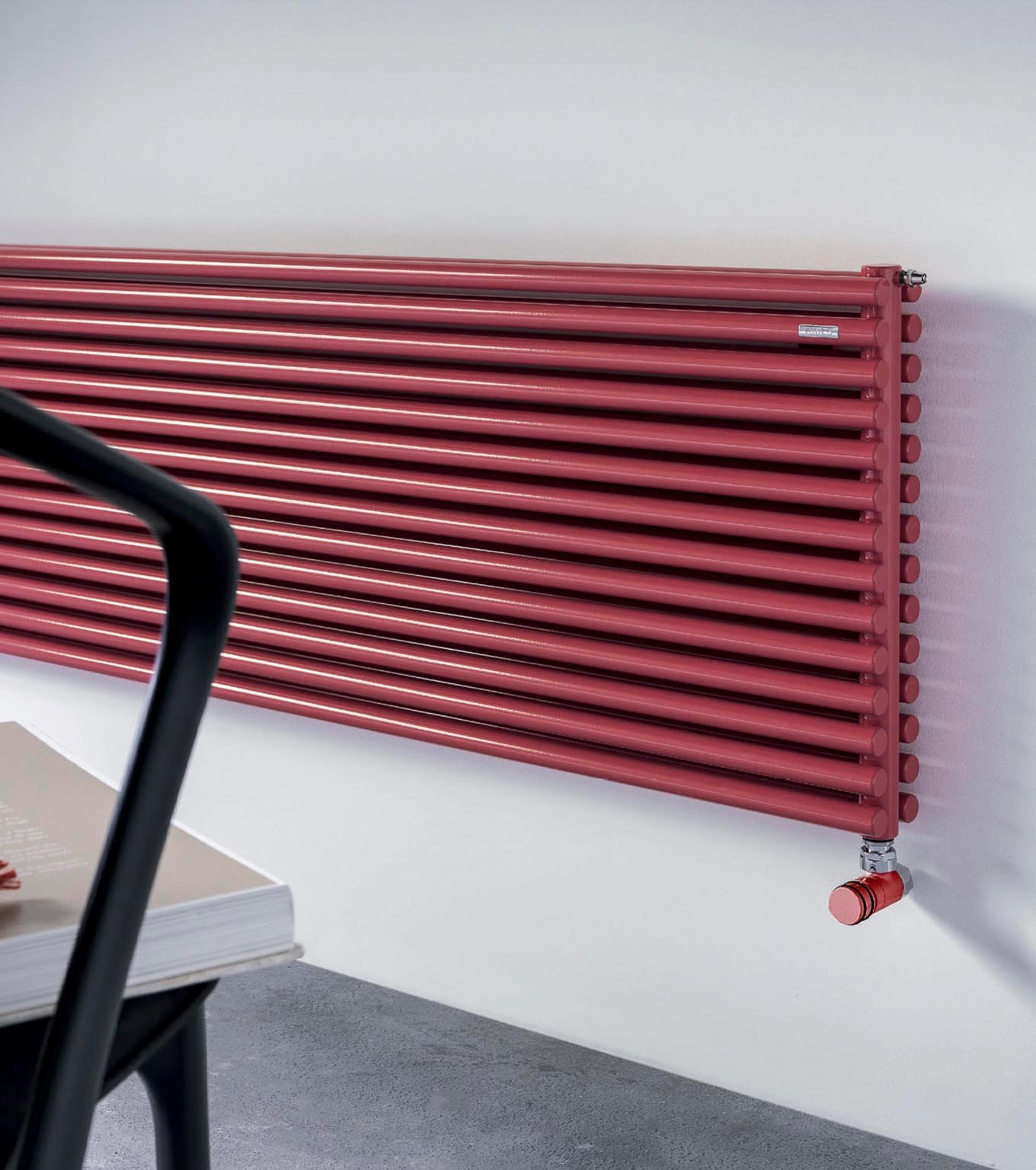
Where Is Hydronic Heating Best Suited?
Hydronic heating requires a bit of planning, so it tends to suit certain projects more than others:
- New builds. Pipework can be run through the slab or walls before finishes go on, keeping installation clean and the running costs lower for the life of the home.
- Major renovations. If you’re already opening up floors or walls, it’s the ideal window to add hydronic pipework without the disruption of a standalone retrofit.
- Design-led interiors. Hi-end designer hydronic radiators can double as a room feature and enhance the room’s atmosphere from a visual perspective.
Hydronic Heating Costs
Costs vary significantly depending on the size of the home, how well it is insulated, the number of zones, the chosen heat source and energy costs. As a general rule:
- Upfront cost is higher than that of electric heaters, ducted gas heating, or split systems.
- Running costs tend to be lower over the system’s lifespan, particularly when paired with an efficient electric heat pump rather than a gas boiler.
- Maintenance is minimal. With few moving parts, hydronic systems are built to last for decades once properly commissioned, typically only requiring a routine service every 24 months.
Explore Hydronic Heating Options
Ready to bring hydronic heating into your next project? Explore our hydronic heating panels or visit our Melbourne or Sydney showroom to talk through the right configuration for your home with our team.If you’re weighing up hydronic heating against electric options or designer fireplaces, our team can talk you through the right system, heat source and panel style for your home and your budget.